

Inside the Life of Marilyn Monroe
Blog Cover photo by Eve Arnold / Iconic Images
Marilyn Monroe™; Rights of Publicity and Persona Rights are used with permission of The Estate of Marilyn Monroe LLC.
When you picture Marilyn Monroe, what comes to mind? Chances are, it is a flash of bright platinum curls, a mischievous wink, or that iconic white dress blowing up over a New York City subway grate. For decades, Marilyn Monroe has been the definition of Hollywood American glamour.
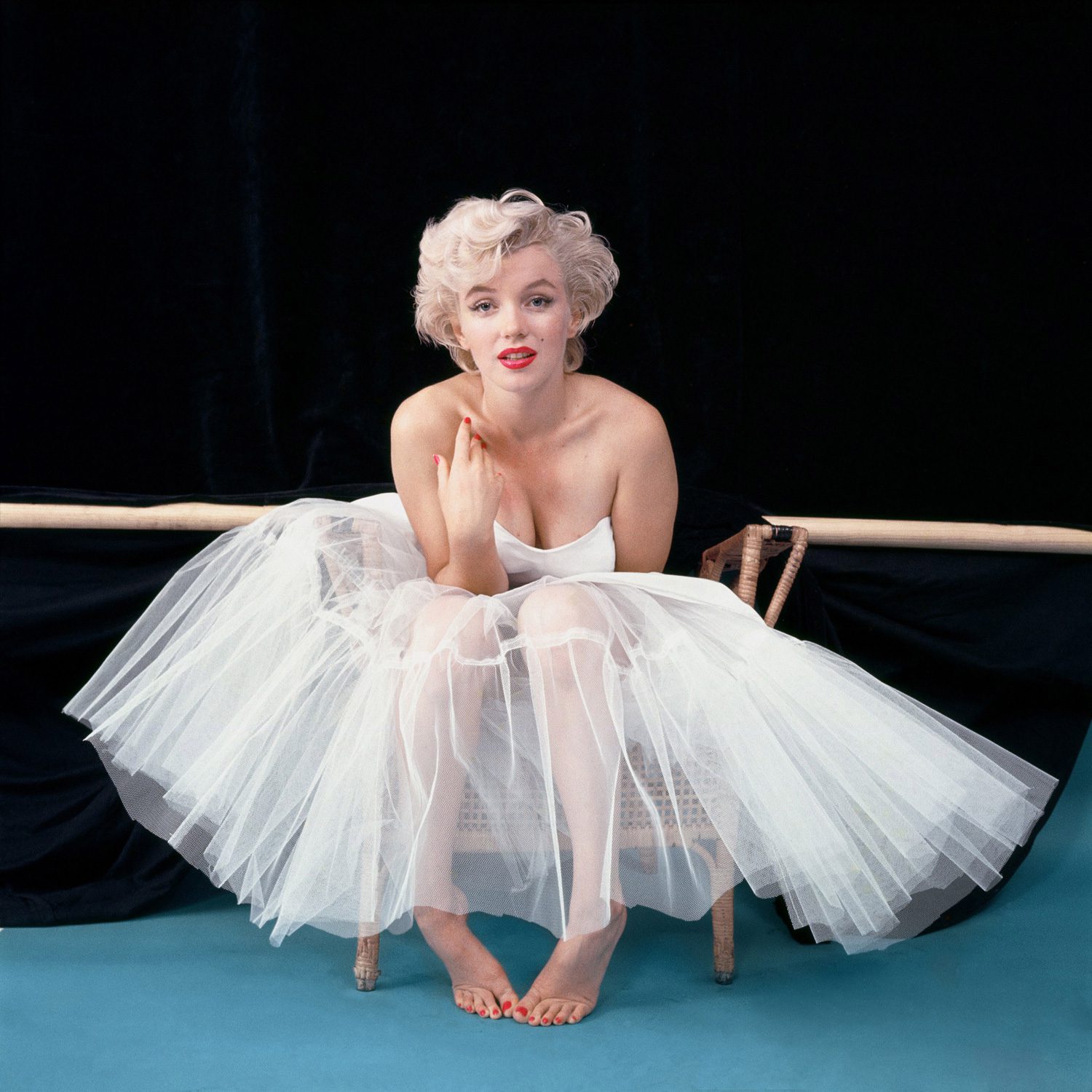
But beyond the flashes, her real story is much richer, deeper, and human than a movie poster could ever show. Taking a closer look at Marilyn Monroe’s life reveals an unexpected narrative of a woman constantly reinventing herself, fighting for her voice, and searching for authentic connection.
This October, BalletMet is bringing this extraordinary journey to the stage with the production of Marilyn at the Davidson Theatre. Think of this as your ultimate guide before the curtain rises, helping you meet the woman behind the legend before you see her on stage.
Before the Platinum: The Early Years of Norma Jeane
A Turbulent Childhood
Long before she was a household name, Marilyn Monroe was known as Norma Jeane Mortenson, born in Los Angeles on June 1, 1926. Her childhood was a far cry from the mansions of Beverly Hills.
Because her mother, Gladys, struggled with severe mental illness and was later institutionalized, Norma Jeane spent most of her childhood in foster homes and orphanages.

This constant moving left her with a deep sense of displacement. In Act I of BalletMet’s upcoming production, you will see this vulnerability come to life through the choreography, capturing the fragile, quiet girl who just wanted a place to belong.
She eventually found a home with a family friend, Grace McKee Goddard. Unfortunately, when she was just 16, the Goddard family would need to move and since they couldn’t afford to take Norma Jean with them, she had a decision to make.
The Wartime Bride and the Radio Plane Factory
To avoid being sent back into the foster care system, Norma Jeane made the decision to get married to her 21-year-old neighbor named James Dougherty. Although they had been dating for a few months, their union was born, ultimately, out of a need for a stable home rather than romance.
However, there are no records to indicate that their marriage was anything but harmonious.
When WWII broke out and James was deployed, she took a job at the Radio Plane Munitions factory, spraying fuselage sections and inspecting parachutes.
It was right there, amidst the grease and machinery, that a military photographer documenting women contributing to the war effort snapped her picture for a morale-boosting magazine feature.

That experience helped launch her modeling work and started a career that has defined American pop culture. In 1946, after her husband returned from war, Norma Jeane made one of her most important decisions yet. She divorced James Dougherty and signed her very first studio contract.
The Birth of Marilyn: Crafting an American Legend
Changing Names and Changing Styles
Norma Jeane didn’t stumble into fame; she built it. When she signed her first contract with 20th Century Fox, she dyed her brunette curls a striking platinum blonde and adopted her grandmother’s name, Monroe, paired with the stage name Marilyn.
Breaking Through the Hollywood Golden Age
By the early 1950s, Marilyn’s hard work in small roles paid off. Breakout roles in films like Niagara and Gentlemen Prefer Blondes catapulted her into global superstardom. In 1953, Marilyn Monroe was named the “Best New Actress” by Photoplay Magazine.
Public Persona vs. Private Reality

When we look back at this dazzling chapter of Marilyn Monroe’s life, it is easy to see why she became the ultimate icon of the Hollywood Golden Age. Yet, this massive public adoration created a sharp divide from her internal world, an emotional friction that translates beautifully into the physical storytelling of dance.
High Expectations and Heartbreak: Her Famous Loves
Joe DiMaggio and the Price of Fame
Marilyn’s personal life was just as highly publicized as her movie roles. In 1954, she married baseball icon Joe DiMaggio, creating a powerhouse pairing of American pop culture.
But beneath the headlines, their expectations clashed completely. During their marriage, the couple’s lifestyles and expectations increasingly diverged.
DiMaggio grew deeply uncomfortable with Marilyn’s fame and sexual image. Their marriage lasted less than a year, showing just how heavy the toll of Marilyn’s persona could be.
The end of her marriage to Joe DiMaggio marked a transition point in her career and personal life.
Arthur Miller and the Intellectual Pursuit
Seeking to reinvent herself yet again and escape the limiting “dumb blonde” typecasting, Marilyn moved to New York to study at the famous Actors Studio. It was during this period of artistic growth that she fell in love with and married the intellectual playwright Arthur Miller.
Miller saw her depth, and Marilyn found comfort in his literary world. After five tumultuous years, marked by creative collaborations that strained their relationship and personal heartbreaks, the marriage ended, leaving Marilyn more isolated than before.
The Silent Battle: Fame, Vulnerability, and Loss
The Studio System and Retaining Control
A common misconception that remains to this day is that Marilyn Monroe was simply a passive creation of the studio system.
In reality, she possessed an independent streak that was decades ahead of her time. Frustrated by the superficial roles and unfair pay at Fox, she took a massive risk: she walked out on her contract, relocated to the East Coast, and formed Marilyn Monroe Productions.
She became only the second woman in America to head her own film production company, successfully forcing the studio executives to grant her higher pay and more artistic control over her scripts and directors.

Her company produced two films (The Prince and the Showgirl and Bus Stop), showcased her versatility as an actress, and set the stage for what would, arguably, become her most recognizable role in Some Like It Hot.
For 1959’s Some Like It Hot, Marilyn Monroe won a Golden Globe for Best Actress in a Comedy.
The Weight of Expectations
While she was winning battles in the boardroom and on the screen, her private world was increasingly fragile. Marilyn fought a quiet, daily battle against intense performance anxiety, insomnia, and debilitating stage fright. The pressure to always be “Marilyn”—the perfect, flawless screen siren—took a severe physical and mental toll.

This intense contrast between external glamour and internal isolation forms the emotional heart of BalletMet’s performance. The choreography by Dani Rowe doesn’t just show the movies; it digs into the real human cost of living under a constant spotlight.
From History to the Stage: Why Marilyn Monroe’s Life Translates Perfectly to Dance
Translating Emotion Without Words
You might wonder: how can you possibly capture a cinematic life without any dialogue? The answer lies in the unique power of dance. Where words can sometimes flatten a person into a list of historical facts, movement can express pure, raw emotion.
Choreographer Dani Rowe approaches the production by focusing on Marilyn’s memories from her own perspective at age 36. Rather than a strict, step-by-step history lesson, the dancers use movement to express her internal state.

Her joy, her loneliness, her strength, and her vulnerability take center stage and redefine the woman we think we know.
The Creative Mind Behind BalletMet’s Production
This production is a major artistic collaboration between BalletMet, Oregon Ballet Theatre, and Tulsa Ballet. To match Dani Rowe’s evocative choreography, composer Shannon Rugani has created an original, sweeping score that feels wonderfully cinematic.
The music and movement work hand-in-hand to transport you right back to the mid-century era, letting you feel the energy of Hollywood while keeping you anchored in the real woman at the center of it all.
Conclusion: Experience the Legend at the Davidson Theatre
Ultimately, exploring Marilyn Monroe’s life reminds us that behind every historical icon is a real person who laughed, struggled, and dreamed.
She was a trailblazer who left an indelible mark on American culture, and seeing her story told through dance offers a brand-new way to connect with her humanity.
Don’t miss this beautiful, moving performance. Marilyn runs from October 16-24, 2026, at the Davidson Theatre.
Head over to the BalletMet ticket page to secure your seats and experience this world-class storytelling live!
Marilyn Monroe™; Rights of Publicity and Persona Rights are used with permission of The Estate of Marilyn Monroe LLC.
MARILYN IS A COLLABORATION BETWEEN BALLETMET, OREGON BALLET THEATRE, AND TULSA BALLET.